CLIFFORD LYNDON “RED” SCHOLEFIELD (1930-2023)
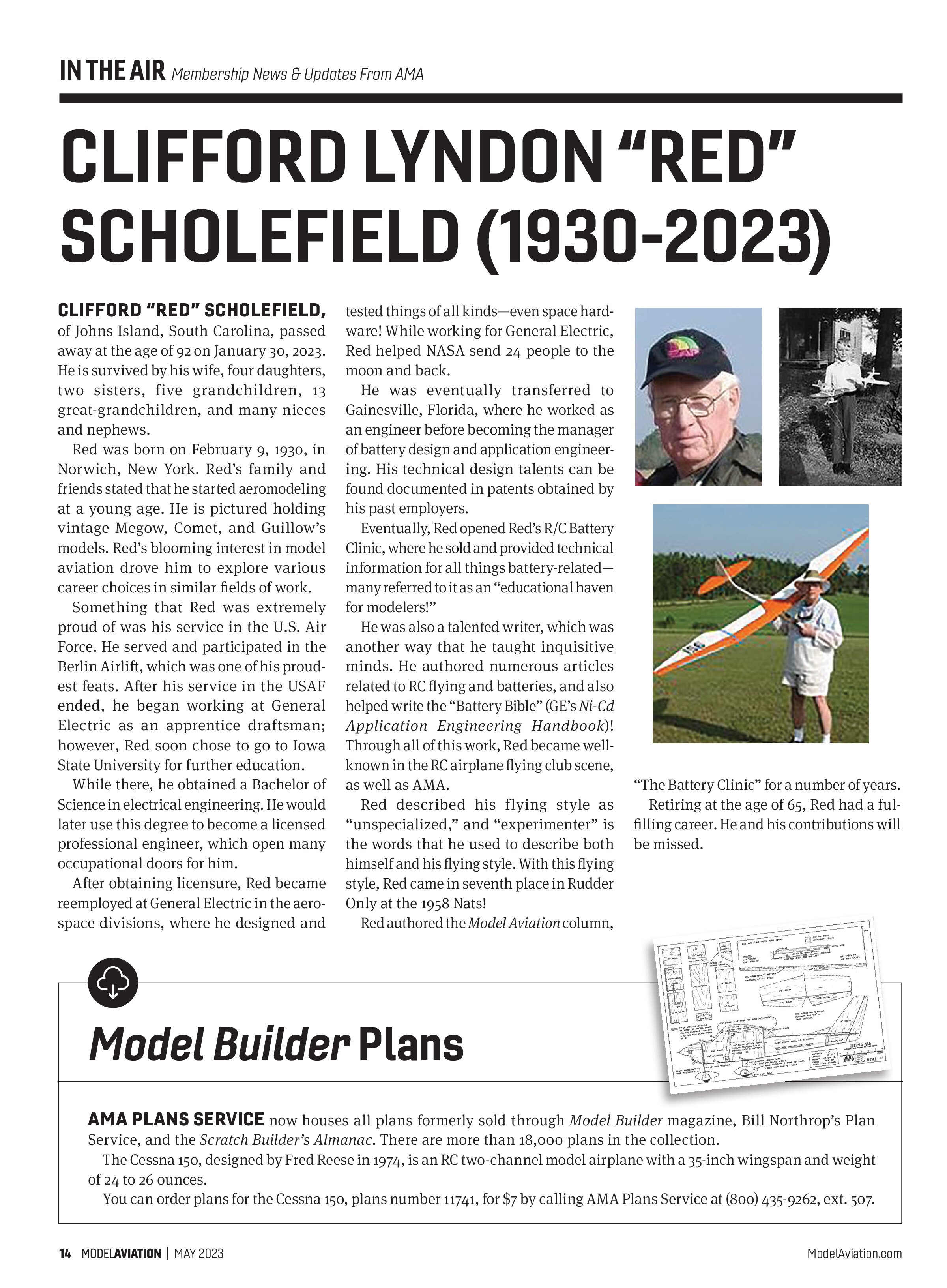
CLIFFORD “RED” SCHOLEFIELD, of Johns Island, South Carolina, passed away at the age of 92 on January 30, 2023. He is survived by his wife, four daughters, two sisters, five grandchildren, 13 great-grandchildren, and many nieces and nephews.
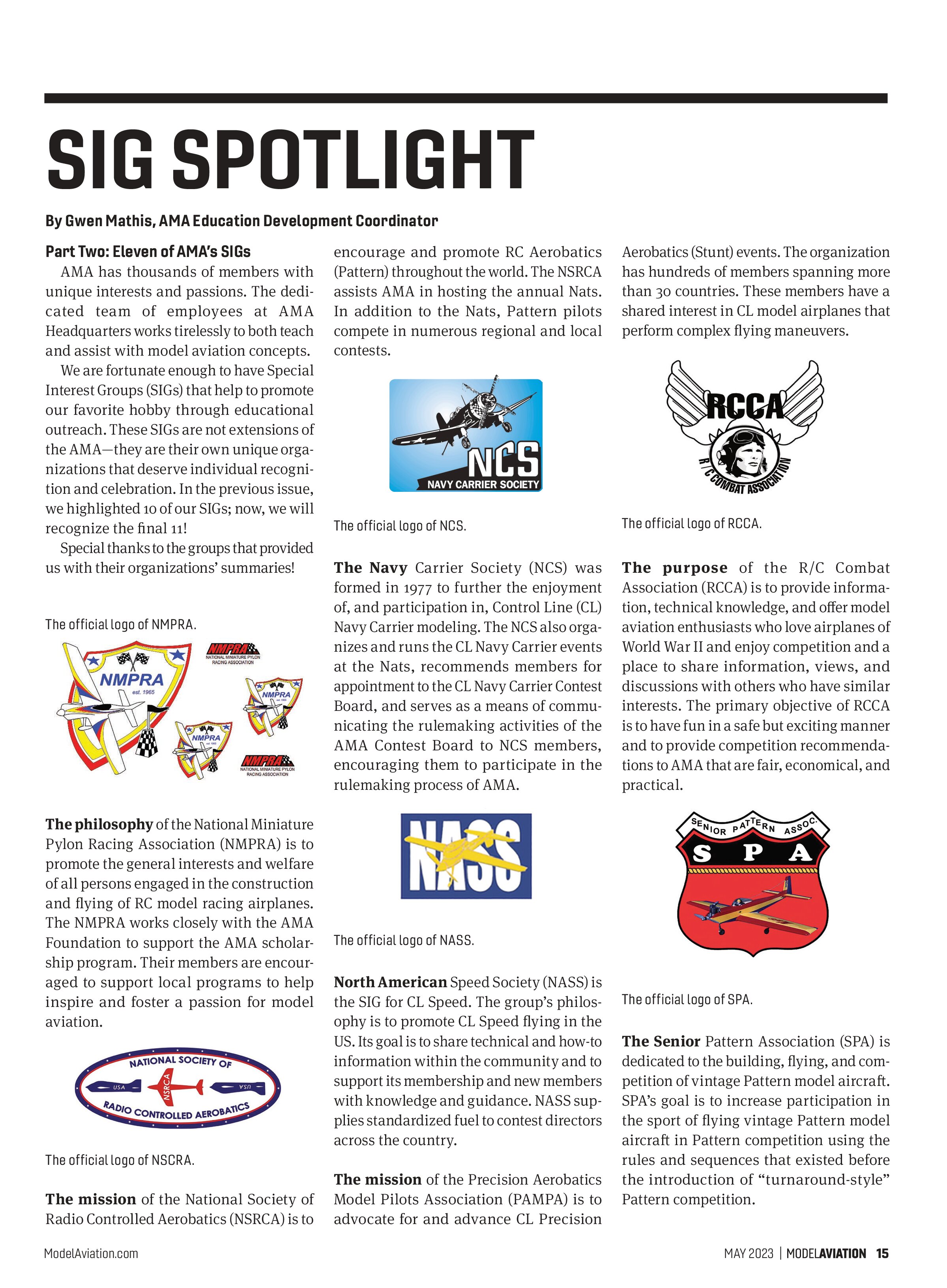
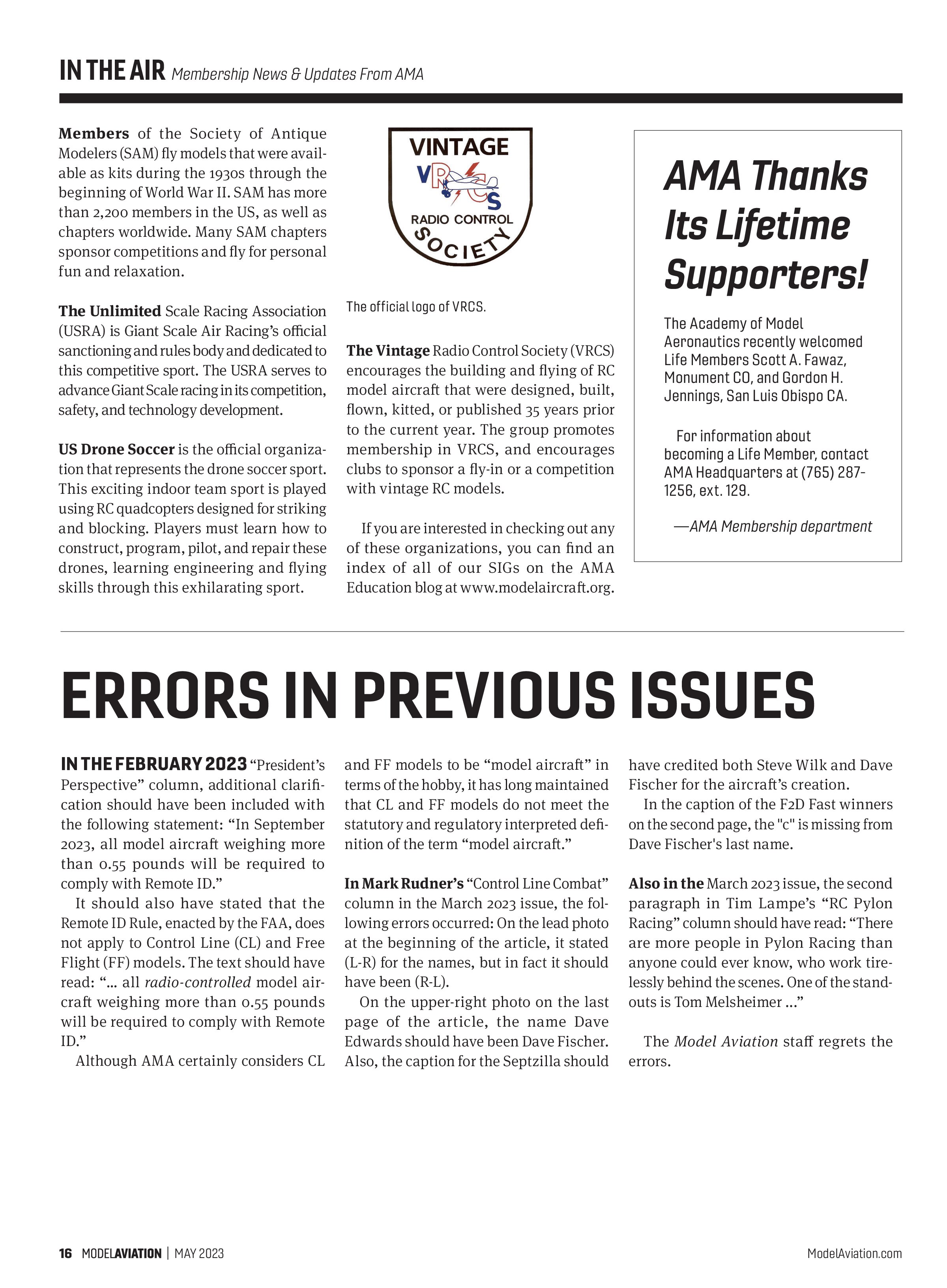
Red was born on February 9, 1930, in Norwich, New York. Red’s family and friends stated that he started aeromodeling at a young age. He is pictured holding vintage Megow, Comet, and Guillows’s models. Red’s blooming interest in model aviation drove him to explore various career choices in similar fields of work.


Something that Red was extremely proud of was his service in the U.S. Air Force. He served and participated in the Berlin Airlift, which was one of his proudest feats. After his service in the USAF ended, he began working at General Electric as an apprentice draftsman; however, Red soon chose to go to Iowa State University for further education.
While there, he obtained a Bachelor of Science in electrical engineering. He would later use this degree to become a licensed professional engineer, which open many occupational doors for him.
After obtaining licensure, Red became reemployed at General Electric in the aerospace divisions, where he designed and tested things of all kinds—even space hardware! While working for General Electric, Red helped NASA send 24 people to the moon and back.
He was eventually transferred to Gainesville, Florida, where he worked as an engineer before becoming the manager of battery design and application engineering. His technical design talents can be found documented in patents obtained by his past employers.
Eventually, Red opened Red’s R/C Battery Clinic, where he sold and provided technical information for all things battery-related—many referred to it as an “educational haven for modelers?”
He was also a talented writer, which was another way that he taught inquisitive minds. He authored numerous articles related to RC flying and batteries, and also helped write the “Battery Bible” (GE’s Ni-Cd Application Engineering Handbook)! Through all of this work, Red became well-known in the RC airplane flying club scene, as well as AMA.
Red described his flying style as “unspecialized,” and “experimenter” is the words that he used to describe both himself and his flying style. With this flying style, Red came in seventh place in Rudder Only at the 1958 Nats!

Red authored the Model Aviation column, “The Battery Clinic” for a number of years. Retiring at the age of 65, Red had a fulfilling career. He and his contributions will be missed.
By Jackie Shalberg, National Model Aviation Museum Archivist and Historian
IN PREVIOUS ISSUES of Model Aviation, we presented various items from the National Model Aviation Museum’s collections—one for each decade spanning the 1910s to the 1970s. Check out the January 2023 issue of Model Aviation for the 1910s through the 1940s, and the March 2023 issues for the 1950s, ’60s, and ’70s. This is a continuation of the series.
Part 3: 1980s and 1990s
These artifacts from the museum’s collections are things we might not regularly discuss in “History Preserved”—but they’re interesting nonetheless!
1980s: Blank letterhead paper doesn’t usually make it into “History Preserved,” but this one is something special. Pictured are both the front and back of this Air Mail Memo. At 5.5 inches x 8.5 inches (slightly smaller than a steno notepad), this little piece of paper does a lot—it even has space for you to take notes!
It advertises the 1982 Nats and AMA, stating the dates and location of the competition (August 1-8 in Lincoln, Nebraska) and the AMA Headquarters address, which was, at that time, in Washington, D.C.
It has a clever design feature. Using the seven fold lines on the back, you could turn your note into a paper airplane and send it flying through the air to your friend. What a clever and useful advertising tool!
This piece comes from the David and Walter Erbach Collection and can be seen in the museum’s Digital Collections. We wanted to share the fun of turning such a note into a flying airplane, so we’ve saved a scan of this as a PDF file. It’s available as a bit of an easter egg in the artifact record. Go to the Museum’s Digital Collections at https://modelaircraft.pastperfectonline.com. Using the keyword search, enter “letterhead” to find the artifact record. When you’re in the artifact record, click on the link to the PDF in the “Multimedia & More Information” section. Print the PDF double-sided, cut around the letterhead’s edges, write your message, fold on the lines (they’re numbered in order of folding), and fly! We don’t guarantee it will fly far, but we do think you’ll have fun trying!


1990s: From 1992, this archive document advertises one of Sig Manufacturing Co.’s fly-ins. According to the program’s cover, the 18th Sig R/C Fly-In was to be held on Saturday, June 20, and Sunday, June 21, at the company’s field outside of Montezuma, Iowa. Seven flying events were to be held that year and there was no entrance fee; you only needed a Sig model to enter. Factory tours were also offered.
Inside the program are the official rules, a list of optional maneuvers, and a map of the flying and judging areas. Tucked inside is a blank entry form listing of all the events, with space to list the models and radio frequencies that an entrant would be using for the events in which he or she was registered. The program is in the Geoff Barrance Collection, donated by Geoff in 2021. The donor attended the 1992 fly-in.
Model Aviation Executive Editor Jay Smith recently wrote about his experiences at Sig’s 2022 fly-in, which celebrated founder and former owner Hazel Sig’s 100th birthday. You can check out that article in the January 2023 issue or online on the Model Aviation website at www.ModelAviation.com/Celebrating-Hazel-Sigs-100th-birthday.
Because paper airplanes were discussed in this article, how about a shameless plug for the library? If you like paper aircraft, we have books in the library that you might enjoy. We have about two dozen to read, including 30 Planes for the Paper Pilot by Peter Vollheim, Best Ever Paper Planes That Really Fly by Paul Jackson, Fabulous Paper Gliders by Norman Schmidt, and Instant Paper Airplanes by E. Richard Churchill, to name a few. If you’re in town this summer, stop on by and take a look! For 2023, the museum will be open from May 1 to September 29. Check out the museum’s Visit page at www.modelaircraft.org/museum/museum-info for specific open days and hours.

We’ll return next time with Part 4 to discuss random items in the current millennium. Until then, check out more of our artifacts in the Museum’s Digital Collections at https://modelaircraft.pastperfectonline.com.
Do you have a topic or theme you’d like to see us cover in “History Preserved?” Send us an email or call us. Your idea could be used in a future issue!